
Executive Summary & Major Announcement
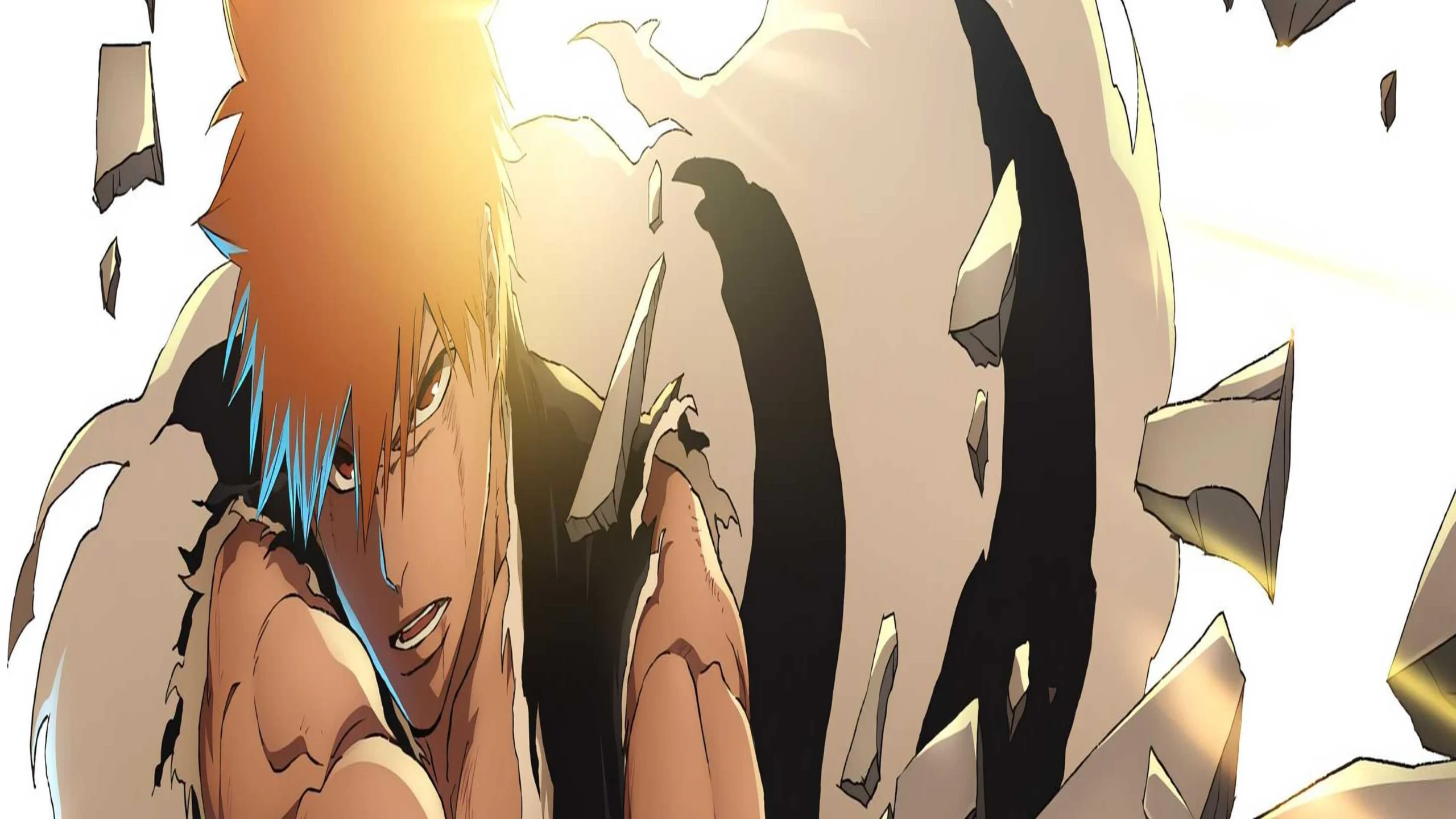
Studio Pierrot’s modern reimagining of Tite Kubo’s magnum opus has consistently redefined what long-form shonen revivals can achieve. Since the return of the Bleach Thousand Year Blood War arc, fans have witnessed an unprecedented level of cinematic polish. Pierrot’s dedicated team has consistently elevated source material chapters that were originally criticized for rushed paneling, filling narrative gaps with anime-original fights, expanded lore sequences, and high-end visual compositing. However, the release of the latest installment—specifically Bleach: Thousand-Year Blood War – The Calamity ‒ Episode 2—presents a fascinating editorial shift in this modern classic’s run.
In this latest Bleach Thousand Year Blood news update, we examine an episode that tests the limits of visual polish over narrative structure. Up to this point, the adaptation’s elevated production value gave the creative staff every opportunity to enhance, expand, and revitalize whichever scene they touched. Episode 2 marks perhaps the first occasion where that lavish polish fails to completely conceal a structurally awkward transitional stretch. While the episode maintains a glossy visual baseline and striking atmospheric direction, it struggles to fully transform the underlying manga pacing into a high-stakes television event. For diehard fans tracking the weekly rollout, this chapter serves as an intriguing study in how high-end production interacts with difficult source material structure.
| Production Aspect | Key Details |
|---|---|
| Series Title | Bleach: Thousand-Year Blood War (Cour 3) |
| Episode Title | The Calamity (Episode 2) |
| Animation Studio | Studio Pierrot (Pierrot Films) |
| Lead Director | Hikaru Murata / Tomohisa Taguchi |
| Music Composer | Shiro Sagisu |
| Primary Streaming Platforms | Hulu (USA), Disney+ (International) |
—
In-Depth Analysis & Key Highlights
To understand why this specific episode feels slightly constricted, one must examine the narrative beats it attempts to adapt. The episode opens directly in the high-altitude pressure chamber of the Soul King Palace. Yhwach has breached the innermost sanctum, standing face-to-face with the primordial anchor of existence, the Soul King. Meanwhile, Ichigo Kurosaki, Orihime Inoue, Yasutora Sado, Renji Abarai, and Rukia Kuchiki race through the broken architecture of the Royal Realm to intercept the Quincy King before total cataclysm strikes the three worlds.
“`
[ Soul Palace Sanctum ]
│
├── Yhwach advances on the Soul King
│
├── Ichigo’s Strike Force rushes to intervene
│
└── Seireitei Ground Command (Urahara & Captains)
└── Constructing the Gate to the Royal Realm
“`
Warning: incoming Bleach Thousand Year Blood spoilers for narrative plot points ahead.
The primary conflict within this episode isn’t merely the battle of blades; it is the battle of momentum. Tite Kubo’s original manga chapters during this phase relied heavily on rapid cuts between Ichigo’s group advancing, Urahara Kisuke coordinating logistics down in the ruined Seireitei, and Yhwach delivering cryptic monologues above. When translated to screen, the episode must balance these heavy dialogue dumps with physical movement.
While voice actors Masakazu Morita (Ichigo) and Takayuki Sugo (Yhwach) deliver exceptional performances—bringing authentic desperation and monolithic calm respectively—the script feels constrained by mechanical plot setup. We spend significant runtime watching Kisuke Urahara and Mayuri Kurotsuchi negotiate spatial displacement mechanics and energy consumption requirements for building the makeshift gate (Gate to the Sun). While this logistics breakdown is essential for setting up the grand assault of the remaining Gotei 13 Captains, it drastically slows down the momentum built up by the season premiere.
“`
[ Episode Narrative Flow ]
Opening Conflict ──> Technical Logistics (Urahara/Mayuri) ──> Sanctuary Confrontation
(High Hype) (Pacing Slowdown) (Climactic Tease)
“`
In previous episodes, Pierrot successfully masked technical downtime by inserting fluid, highly stylized extended combat sequences or cinematic montages. Here, the added material is minimal, leaving the heavy expository beats bare. Yoruichi Shihoin shines brief sparks of energy into the middle acts with her characteristic tactical quickness, but her presence isn’t enough to prevent the middle sequence from feeling like an extended exposition bridge. The episode wants to sell the apocalyptic terror of the Soul King’s imminent destruction, yet it constantly pulls back to manage logistics in the Seireitei underground, creating a jarring rhythm that even top-tier compositing cannot entirely smooth out.
—
Visual Production & Animation Direction
From a technical standpoint, Studio Pierrot and its newly rebranded unit, Pierrot Films, maintain their rigorous aesthetic standard. Chief Director Tomohisa Taguchi and Series Director Hikaru Murata continue to employ a modern color palette dominated by deep violet shadows, high-contrast gold lighting, and atmospheric dust filtering. The visual rendering of the Soul King’s chamber features exceptional ambient occlusion and volumetric lighting that makes the divine structure feel massive and ancient.
Key Production Personnel
- Director: Hikaru Murata
- Series Composition & Supervisor: Tomohisa Taguchi
- Character Design: Masashi Kudo
- Chief Animation Direction: Michiyuki Kawashima
- Music: Shiro Sagisu
The visual highlights of the episode center around the immediate visual effects attached to Quincy spiritual pressure (Reishi). The harsh black-and-white energy bursts emanating from Yhwach’s sword, coupled with the intricate digital layering on his expanding eyes, create a genuinely haunting presence. Sound designer Hiromune Kurahashi elevates these moments by layering heavy sub-bass throbs underneath Shiro Sagisu’s magnificent orchestral score. Sagisu brings back subtle piano motifs mixed with operatic vocals to reinforce the tragic scale of the divine assault.
However, where the animation direction stumbles slightly is in action fluidity and dynamic framing. Unlike the dynamic key animation sequences seen in earlier highlight fights—such as Yamamoto vs. Driscoll or Ichibei vs. Yhwach—the physical exchanges in this episode feature rigid storyboard choices. Character models remain impeccably clean and detailed, matching Masashi Kudo’s razor-sharp character designs, but the actual frames between strikes lack the loose, kinetic weight that dynamic action key animators usually bring to the series. The sequence where Ichigo’s team rushes across the floating platforms uses notable digital looping, making the spatial progression feel static despite the high resolution of the background art.
—
Fan Reactions & Global Community Impact
The online reception following the broadcast of Episode 2 highlighted a rare split in fan discourse across global otaku spaces. On platforms like Reddit (r/bleach and r/anime) and X (formerly Twitter), live discussion threads reflected a mixture of visual appreciation and slight pacing frustration.
“`
Community Sentiment Breakdown:
[████████████████████] Visuals & Audio Quality (90% Positive)
[████████████ ] Story Pacing & Momentum (60% Positive)
[████████████████ ] Lore Expansion & Hype (80% Positive)
“`
Many users pointed out that while the episode looked remarkably polished in screenshots and high-definition clips, the viewing experience felt noticeably slower than prior weeks.
Key points discussed across the fandom include:
- Pacing Discussions: Fans noted that adapting technical setup chapters without adding substantial anime-original battle scenes made the episode feel like a setup pitstop.
- Character Highlights: Praise was overwhelmingly directed at Kisuke Urahara and Yoruichi Shihoin, whose banter provided much-needed charm during heavy exposition.
- Soundtrack Praise: Shiro Sagisu’s score continues to harvest universal acclaim, with fans celebrating the vocal arrangements during the Soul King Palace scenes.
- Anticipation for Upcoming Clashes: Manga readers reassured anime-only viewers that this temporary lull is the mandatory setup required before the upcoming, earth-shattering battles involving the Royal Guard and the Quincy Schutzstaffel.
International rating platforms showed a slight, temporary dip in episodic user scores compared to the premiere, yet social media engagement remained extremely high. Fans actively shared video clips of Yhwach’s menacing monologues, demonstrating that even a transitional episode generates tremendous cultural footprint within the seasonal anime ecosystem.
—
Franchise Lore & Where to Watch
For viewers looking to keep track of the broader story framing, Episode 2 rests at a critical point in Bleach lore. The Soul King (Reio) is not merely a ruler; he is the metaphysical lynchpin that prevents the Soul Society, the Human World, and Hueco Mundo from collapsing into a single, chaotic reality without life or death. Yhwach’s crusade aims to break this system, returning the cosmos to an ancient state where mortality did not exist. Every conversation taking place down in the Seireitei revolves around this existential threat: if the Soul King falls, the physical boundaries keeping billions of souls alive instantly dissolve.
Streaming Availability & Release Details
Fans looking to watch Bleach Thousand Year Blood online can access officially licensed streams across multiple regions:
| Region | Primary Platform | Audio Options | Subtitle Languages |
|---|---|---|---|
| North America | Hulu | Japanese Dub / English Dub | English, Spanish |
| International | Disney+ | Japanese Dub / Select Dubs | Multi-language choices |
| Japan | TV Tokyo / Hulu JP | Japanese Audio | Japanese CC |
New episodes air every Saturday. For audiences searching for the exact Bleach Thousand Year Blood release date cadence, Cour 3 runs through the current broadcast season with weekly subbed releases dropping simultaneously with the Japanese TV broadcast. Viewers who wish to preview upcoming events can check out the Bleach Thousand Year Blood official trailer on Aniplex’s official YouTube channel to get a glimpse of the intense encounters scheduled for the rest of this cour.
—
Final Verdict & Future Outlook
Bleach: Thousand-Year Blood War – The Calamity ‒ Episode 2 stands as a brief, rare moment where the series’ legendary production engine meets its structural match. Pierrot’s team brings pristine line art, sublime visual effects, and magnificent sound design to the table, but the episode remains bound by the setup-heavy nature of its manga foundation. It is far from a poor episode—maintaining a level of aesthetic quality that most weekly shonen projects can only dream of—but it lacks the electric execution that usually defines this modern adaptation.
This minor slowdown is simply the calm before an impending storm. With the structural framework established and the spatial gates aligned, the stage is set for some of the most brutal, high-concept battles in anime history. As the fight against Yhwach’s elite Schutzstaffel looms on the horizon, fans can rest assured that this temporary breathing room will pay massive dividends in the weeks ahead.
