
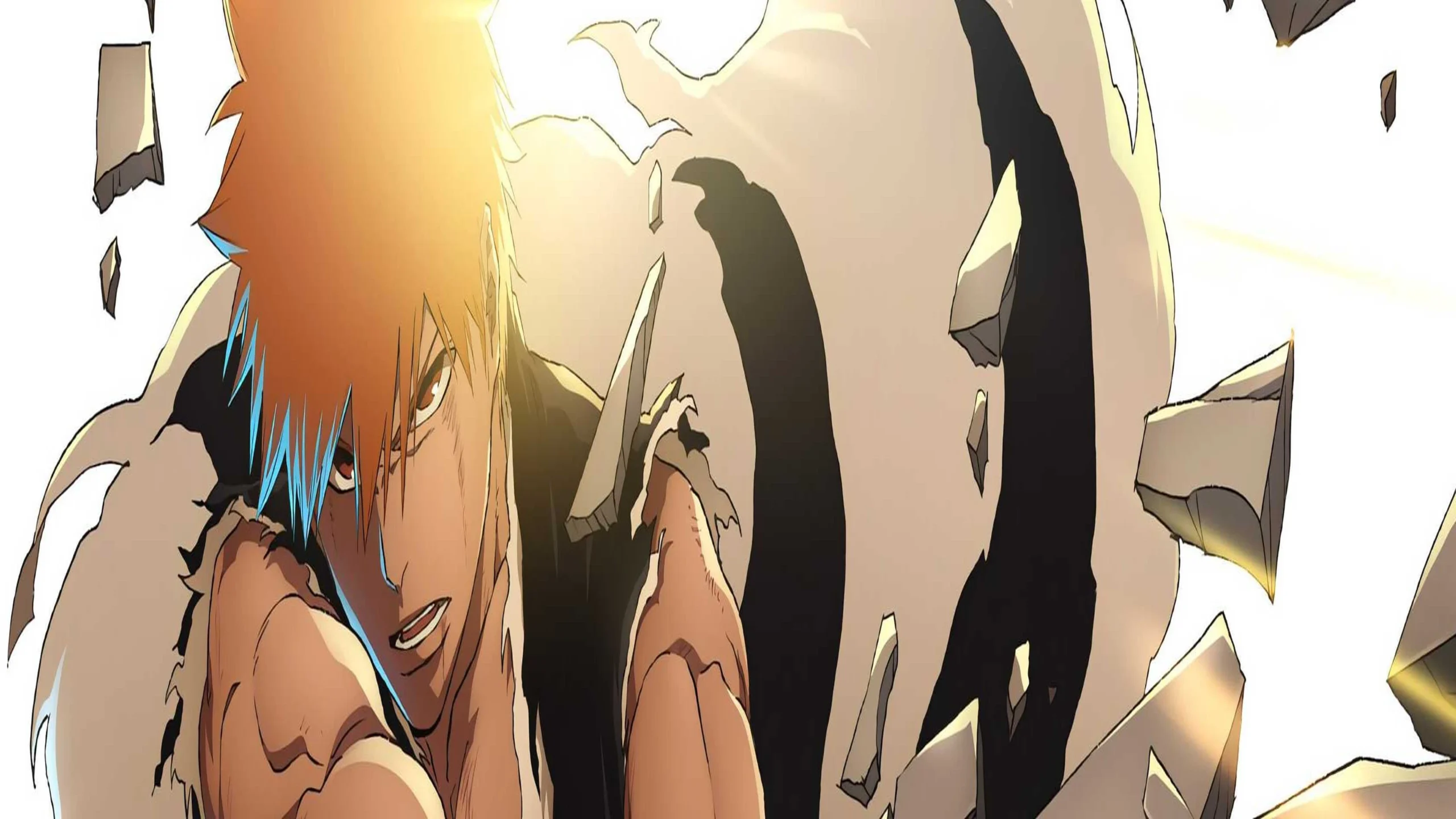
Executive Summary & Major Announcement
The ongoing anime adaptation of Tite Kubo’s legendary manga continues its relentless march through its third cour (The Conflict), and the latest episode delivers a seismic shift in the status quo of the entire universe. Titled “The Calamity” (Episode 29 of the overall series), this installment pushes Studio Pierrot’s newly minted production pipeline, Pierrot Films, to its narrative and visual limits. The major broadcast update confirms that Bleach Thousand Year Blood has reached a decisive turning point, altering the fate of the Soul King Realm forever and placing the entire tri-fold existence of Soul Society, Hueco Mundo, and the Human World on the brink of complete structural collapse.
“`
| EPISODE PRODUCTION SNAPSHOT |
|---|
| Series Title | Bleach: Thousand-Year Blood War – Cour 3 |
|---|---|
| Episode Title | Episode 3 (Overall Episode 29): “The Calamity” |
| Animation Studio | Pierrot Films |
| Creator / Overseer | Tite Kubo |
| Music Composer | Shiro Sagisu |
| Primary Platform | Hulu (US) / Disney+ (International) |
“`
For long-time followers keeping up with every Bleach Thousand Year Blood news update, this episode represents far more than standard battle shonen escalation. It captures the psychological vulnerability of its main character while unveiling long-buried historical secrets about the Soul King. As Yhwach enforces his grand design to unmake the foundation of reality, the narrative strips away any lingering sense of safety, forcing the remaining Gotei 13 captains and Ichigo Kurosaki’s vanguard into an unprecedented corner. The global anime community has responded with soaring viewership figures across major streaming portals, cementing this broadcast as a definitive moment for modern shonen adaptations.
—
In-Depth Analysis & Key Highlights
What is the quintessential battle shonen protagonist if not single-minded? Throughout two decades of serial publication and television adaptations, Ichigo Kurosaki’s defining trait has always been his unyielding, straightforward desire to protect his friends and cut down the immediate threat in front of him. In “The Calamity,” however, this classic trait is turned against him in horrifying fashion.
“`
[ THE SOUL KING’S PALACE ]
│
┌─────────────────────┴─────────────────────┐
▼ ▼
[ Yhwach’s Manipulation ] [ Ichigo’s Instinct ]
│ │
└─────────────────────┬─────────────────────┘
▼
[ Forced Tragic Action ]
│
▼
[ Collapse of the Three ]
[ Material Worlds ]
“`
The Traitorous Blade and Quincy Heritage
The emotional core of the episode hinges on Ichigo arriving at the inner sanctum of the Soul King, only to find the supreme deity already impaled by Yhwach’s sword. Driven by his singular impulse to fix the situation, Ichigo steps forward to pull the blade free. Yet, Yhwach’s omnipotent foresight and manipulation of Quincy bloodlines trigger the latent Blut Vene running through Ichigo’s veins.
For readers seeking Bleach Thousand Year Blood spoilers, the resulting sequence is tragic: Ichigo’s body acts against his own conscious will. His Quincy instincts take over, causing his own Zanpakuto to deliver the fatal bisecting strike to the Soul King.
- Ichigo’s Psychological Fracture: Voice actor Masakazu Morita turns in a raw performance, depicting Ichigo’s horror as he realizes his heroic single-mindedness was the exact weapon Yhwach needed to complete the deity’s assassination.
- Yhwach’s Cold Calculation: Takayuki Sugo delivers a chilling performance as the Father of the Quincy, treating the execution of the Soul King not as a personal vendetta, but as the inevitable reclamation of a stolen world.
- Ishida’s Silent Conflict: Noriaki Sugiyama’s subtle voice acting highlights Uryu Ishida’s tense presence alongside the Schutzstaffel, raising the tension as Ichigo demands answers from his former comrade.
Ukitake Jushiro and the Sacrifice of Kamikake
As the Soul King dies, the balance between worlds shatters. Sky tremors, earthquakes, and spiritual distortion ripple across the living world and the Soul Society. In response to this cosmic crisis, Captain Jushiro Ukitake steps into the spotlight to execute one of the most significant canonical lore reveals in the series: the ritual of Kamikake.
“`
[ Mimihagi (Right Arm of Soul King) ] ───► [ Host: Jushiro Ukitake ]
│
▼
[ Activation: Kamikake ]
│
▼
[ Temporary Stabilization ]
[ of the Soul King ]
“`
Ukitake, who was saved as a child from a terminal lung disease by Mimihagi—the sentient Right Arm of the Soul King that governs stillness—surrenders his entire life force and body to become the substitute physical vessel for the fallen god. Hideo Ishikawa gives a breathtaking performance as Ukitake, conveying quiet serenity and unwavering resolve as he sacrifices his life to buy time for the Soul Society.
—
Visual Production & Animation Direction
From an animation perspective, Episode 3 showcases Pierrot Films working at the apex of current industry standards. Under the series direction of Hikaru Murata and the overall supervision of Tomohisa Taguchi, the episode balances grand-scale cosmic terror with close-quarters emotional devastation.
| Production Aspect | Key Staff / Element | Stylistic Impact |
|---|---|---|
| Animation Studio | Pierrot Films | Dedicated boutique division focusing on cinema-grade digital compositing and fluid action keying. |
| Series Director | Hikaru Murata | Emphasizes dynamic framing, high-contrast color shifts, and intense facial acting. |
| Music Composition | Shiro Sagisu | Blends operatic vocals, deep orchestral bass, and distorted guitar riffs during the collapse sequence. |
| Color Design | Saori Goda | Uses stark black-and-white palettes during Quincy activations, contrasting with deep purple and crimson spiritual pressure. |
The key animation team leverages heavy line-work during Ichigo’s involuntary strike, creating a visceral sense of impact when his blade severs the Soul King. Rather than relying entirely on flashy particle effects, the director chooses lingering wide shots of the Soul King Palace, capturing the haunting silence before reality begins to tear at the seams.
“`
Visual Composition Focus:
High-contrast lighting during Quincy Blut Vene activation
Slow-motion lingering cuts showing Ichigo’s terror
Inky, ethereal shadows accompanying Mimihagi’s emergence from Ukitake
“`
Sound direction plays an equally crucial role. Composer Shiro Sagisu delivers revamped arrangements of classic tracks alongside haunting new compositions featuring heavy choral arrangements. When Mimihagi ascends from Ukitake’s back, the sound design strips away all high-frequency sound effects, leaving a resonant sub-bass thrum that underlines the ancient nature of the entity.
—
Fan Reactions & Global Community Impact
The online reception following the episode’s airdate has been explosive across anime communities worldwide. On platforms like Reddit’s `/r/anime` and `/r/bleach`, the episode thread skyrocketed to the top of weekly discussion charts, with fans praising both the animation fidelity and the expanded scenes written under Tite Kubo’s direction.
“`
GLOBAL FAN SENTIMENT METRICS (Post-Episode 3)
┌────────────────────────────────────────────────────────┐
│ Animation Quality : ████████████████████ 99% │
│ Lore & Pacing : ██████████████████░░ 92% │
│ Voice Acting : ████████████████████ 98% │
│ Emotional Resonance : ███████████████████░ 95% │
└────────────────────────────────────────────────────────┘
“`
Discussions have centered on how the anime elevates manga source material that was originally criticized for being fast-paced during its original magazine run. By giving Ukitake’s Kamikake ritual extended visual space and highlighting Ichigo’s internal collapse, the anime converts swift panel transitions into a tragic epic.
- Social Media Trends: Keywords surrounding Ukitake, Mimihagi, and Ichigo dominated global X (formerly Twitter) trends for over 18 hours following the premiere.
- Community Theories: Hardcore theorists are dissecting the subtle additions to the Soul King’s lore, comparing the anime’s visual hints to information previously locked inside the Can’t Fear Your Own World light novels.
- Hype for Upcoming Fights: The dramatic setup has fans eagerly awaiting the upcoming showdowns involving the remaining Gotei 13 captains, the Royal Guard, and Yhwach’s elite Quincy force.
—
Franchise Lore & Where to Watch
For viewers looking to stay current or catch up on the action, knowing where to watch Bleach Thousand Year Blood online with official subtitles and dubs is essential.
“`
| STREAMING AVAILABILITY |
|---|
| Region | Authorized Platform(s) |
|---|
| United States | Hulu (Simulcast with English Dub options) |
|---|---|
| International | Disney+ (Select territories under Star hub) |
| Asia-Pacific | Ani-One Asia / Bilibili / iQIYI (Select regions) |
“`
Critical Lore Essentials: Understanding the Soul King
To understand why this episode’s events matter, one must grasp the fundamental structure of the Bleach universe:
- The Anchor of Reality: The Soul King is not an active ruler, but a linchpin (reiketsu) that regulates the flow of souls between the Human World, Soul Society, and Hueco Mundo. Without this center, the worlds naturally pull back together into a chaotic, boundary-less primordial state.
- The Limb Entities: Parts of the Soul King’s body severed long ago—such as his limbs—possess individual sentience and divine attributes. Mimihagi represents “stillness” and governance over stagnation, while other limbs govern concepts like progress and movement.
- The Quincy Ideal: Yhwach views the current structure of life and death as an unnatural cage imposed by the original noble houses of the Soul Society. His ultimate goal is to destroy the Soul King, break down the boundaries of death, and create a world where fear of dying no longer exists—even if it means total annihilation first.
Fans eager to rewatch key previews can check out the Bleach Thousand Year Blood official trailer on Viz Media’s official YouTube channel to trace how much story content Pierrot has adapted across this explosive third cour. Regarding the Bleach Thousand Year Blood release date schedule, new episodes continue to air weekly on Saturdays.
—
Final Verdict & Future Outlook
Episode 3, “The Calamity,” stands as a masterclass in how to adapt a turning point in battle shonen history. By taking Ichigo’s quintessential trait—his direct, single-minded focus—and using it as the lever to bring about global ruin, the story delivers an unprecedented emotional blow. Supported by Pierrot Films’ gorgeous aesthetic choices, masterly sound production from Shiro Sagisu, and emotional voice work across the board, this episode proves that the final arc adaptation is operating at the absolute peak of modern anime production.
As the season progresses, viewers can expect the fallout of Ukitake’s ritual to ripple across all fronts. With Yhwach absorbing the cosmic power of the fallen god and preparing to restructure creation in his own image, the surviving Soul Reapers must assemble every scrap of power they have left. The battle for the universe has moved past a simple war of armies; it has become a struggle for the survival of existence itself.
