
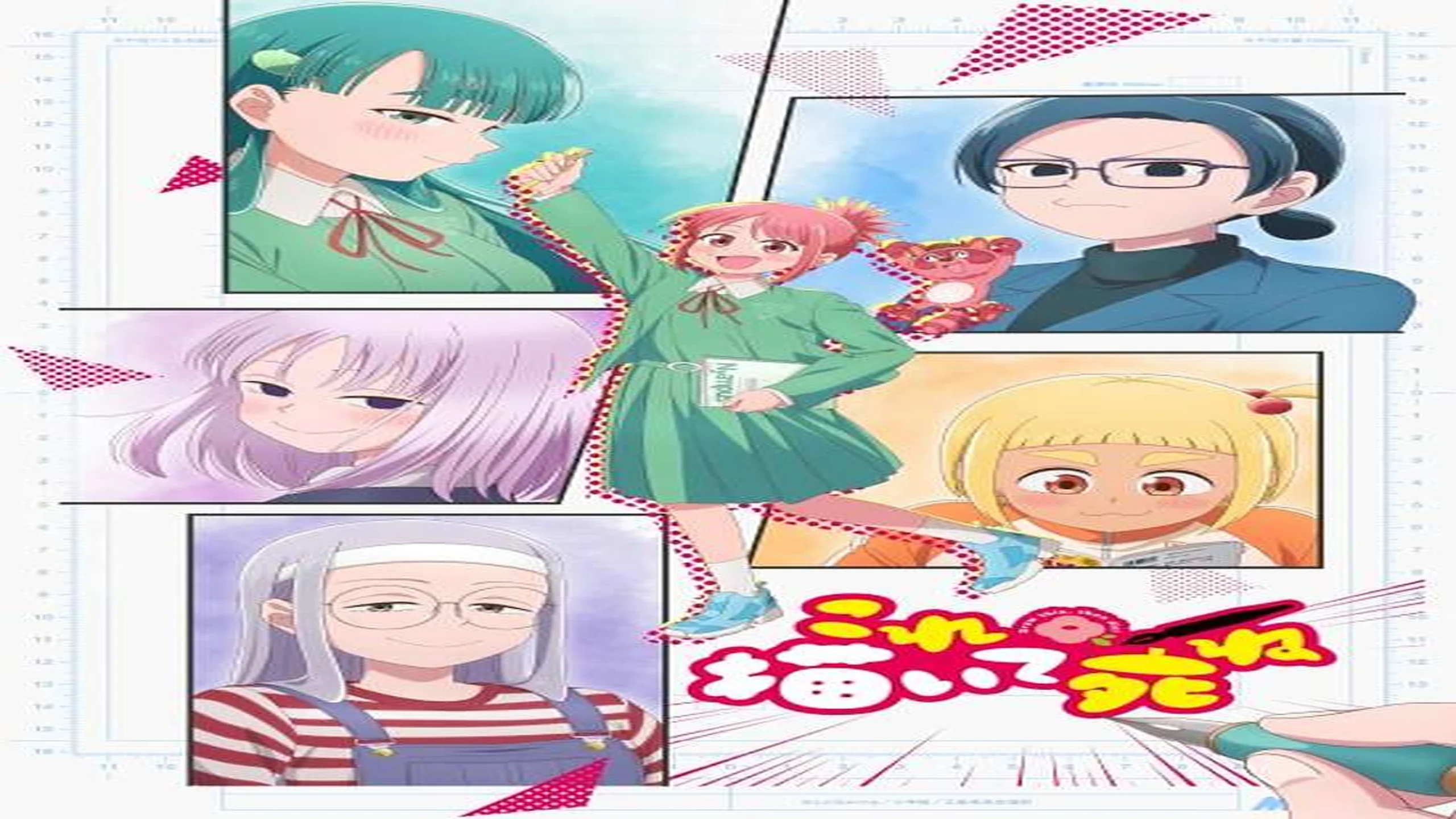
Executive Summary & Major Announcement
The anime landscape frequently celebrates the triumphs of creative passion, but few series capture the visceral anxiety, physical exhaustion, and quiet heartbreaks of the artistic process quite like Draw This, Then Die! (Kore Kaite Shine). In this week’s Draw Then Episode news update, the series delivers what is arguably its most poignant, authentic, and emotionally demanding narrative turn yet. Episode 6 brings our passion-driven high school creators straight to the sacred halls of Tokyo Big Sight for Comitia—the iconic biannual convention dedicated exclusively to original self-published manga (doujinshi).
For protagonist Yasumi Kokoro and her companions in the Manga Research Club, Comitia represents the culmination of endless sleepless nights, ink-stained fingertips, and agonizing self-doubt. However, as any veteran self-publisher knows, finishing a manuscript is only half the battle. The true trial begins when your work is placed on a cold folding table in front of thousands of strangers. Episode 6 tackles the inescapable wall that almost every novice creator hits: the profound, soul-crushing disappointment of absolute indifference.
This milestone broadcast shifts the entire tone of the season. By stripping away sugary idealizations of instant success, the production team has crafted a powerful meditation on why artists create when the world isn’t looking. Industry analysts and fans alike are calling this installment a masterpiece of creative realism, solidifying the adaptation’s status as a top-tier slice-of-life drama for the modern era.
| Metric / Detail | Information |
|---|---|
| Episode Title | Episode 6: “The Unsold Stack” (Comitia Arc Climax) |
| Primary Theme | Artistic vulnerability, self-publishing reality, and creative resilience |
| Key Location | Tokyo Big Sight (Comitia Exhibition Hall) |
| Source Manga | Kore Kaite Shine by Minoru Toyoda |
| Production Focus | Authentic convention atmosphere & subtle character acting |
—
In-Depth Analysis & Key Highlights
Building upon weeks of painstaking preparation, the narrative of this Draw Then Episode opens with an electric burst of anticipation. Yasumi, alongside her mentor and fellow club members, navigates the dawn rush toward Tokyo Big Sight. The early scenes capture the pristine magic of the event: the distinct smell of freshly bound paper coming straight from the printer, the nervous clinking of coin purses filled with change, and the meticulous setup of table runners and display stands. The excitement is palpable as Yasumi places her very first original print run onto the table, complete with hand-drawn price tags and promotional pop-ups.
However, mild Draw Then Episode spoilers reveal that the initial adrenaline fades quickly into a grueling psychological marathon. As the doors open and thousands of attendees flood the aisles, the harsh reality of indie publishing sets in. Hours tick by in excruciating slow motion. Stream after stream of event-goers march past the Manga Research Club’s booth, their eyes scanning right over Yasumi’s cover without breaking stride.
The core narrative tension focuses on the specific disappointment that every indie artist dreads: the sheer silence of an unvisited table. Nearby veteran creators effortlessly draw crowds and clear out their stock, while Yasumi’s stack of books remains painfully untouched. The storytelling excels in portraying the internal spiral that follows. Yasumi begins to question everything from her panel layouts and art style to the fundamental value of her voice. Every polite headshake, every quick glance that leads to a walk-by, feels like an existential rejection of her inner world.
| Phase of Convention | Yasumi’s Psychological State | Narrative Outcome |
|---|---|---|
| Morning Setup | High optimism, extreme nervous energy | Impeccable booth design, high expectations |
| Midday Peak | Mounting anxiety, quiet realization | Hundreds pass by; zero copies sold |
| Late Afternoon | Crushing disappointment, existential fatigue | Confronting the gap between effort and response |
| Closing Hour | Emotional breakthrough, humble renewal | A single meaningful connection with one reader |
The emotional turning point arrives during the quiet late-afternoon slump. Rather than giving in to despair or staging a miraculous, unrealistic sell-out, the narrative delivers a far more grounding resolution. A lone reader stops, picks up Yasumi’s booklet, flip-flops through the pages, and purchases a single copy after sharing a brief, sincere compliment. That single transaction carries more weight than a thousand sold copies in a lesser anime. It reframes the entire artistic journey: creation is not about universal applause, but about reaching the rare few who truly resonate with your soul.
—
Visual Production & Animation Direction
From a technical perspective, Episode 6 stands out as a masterclass in atmospheric environment design and quiet character animation. The visual direction brilliantly contrasts the staggering vastness of Tokyo Big Sight with the claustrophobic intimacy of a two-foot space behind a folding table. Background artists meticulously detailed the cavernous exhibition halls, filling shots with dynamic crowds that feel alive rather than like static copy-paste assets.
“`
| VISUAL & SOUND HIGHLIGHTS |
|---|
| 1. Dynamic Color Palette: Vibrant morning hues shift to dusty, |
|---|
| exhausted afternoon lighting inside the convention hall. |
| 2. Audio Isolation: Crowded convention chatter drops into total |
| silence during key moments of character reflection. |
| 3. Expressive Layouts: Close-ups on fidgeting hands and ink |
| smudges underline the raw physical effort of making art. |
“`
The color palette plays a vital role in communicating the protagonist’s inner state. The episode starts with bright, cool morning tones that emphasize boundless possibility. As hours pass without sales, the ambient lighting transitions into warm, dusty overhead fluorescent tones that highlight the physical exhaustion and dry air of the convention floor.
Sound direction deserves equal praise. The audio team captured authentic convention ambiences: muffled PA announcements, the rustle of plastic shopping bags, the rhythmic shuffling of feet, and the sharp clink of 100-yen coins. During moments of intense internal anxiety, these background noises fade into a low, pressure-cooked hum, placing viewers directly inside Yasumi’s overwhelmed mind. When a prospective buyer finally touches the paper, the sudden crisp sound of turning pages cuts through the stillness with electrifying clarity.
Voice acting performances match this level of visual precision. Yasumi’s voice actor delivers a breathtaking performance, capturing the fragile hesitation in her voice when calling out “Thank you for stopping by!” followed by the subtle pitch drops of fatigue as the afternoon wears on.
—
Fan Reactions & Global Community Impact
Following the broadcast, online discourse across international anime forums erupted with overwhelming praise for the episode’s uncompromising honesty. On platforms like Reddit and X (formerly Twitter), the community response centered heavily on how accurately the show depicts the reality of attending artist alleys and indie conventions.
> “As someone who sat behind an untouched table at my first convention for eight hours, this episode felt almost painfully real,” shared one top-voted comment on the episode’s discussion thread. “It doesn’t sugarcoat how brutal self-publishing can be, but it still manages to make you want to go draw immediately.”
Many fan discussions focused on the contrast between Draw This, Then Die! and typical success-fantasy narratives. Rather than relying on sudden internet virality or convenient lucky breaks, the series honors the slow, agonizing process of building an audience from scratch. Artists from around the world began sharing their own “first book” stories, transforming social media threads into celebration hubs for creative perseverance.
“`
Community Sentiment Breakdown:
[====================] 85% Praised realistic portrayal of artist struggles
[=========== ] 50% Shared personal indie convention experiences
[====== ] 25% Focused on voice acting & emotional impact
“`
The episode also trended heavily in Japanese otaku spaces, with veteran creators and professional mangaka tweeting out support for the episode’s message. Several notable authors commented that Episode 6 should be mandatory viewing for anyone aspiring to enter the creative industries, praising its deep respect for the amateur publishing scene.
—
Franchise Lore & Where to Watch
For fans seeking to understand the deeper context of this narrative arc, understanding Comitia is essential. Unlike Comiket, which is world-famous for fan-made derivative works (doujinshi based on existing anime or games), Comitia is strictly restricted to 100% original, creator-owned material. This distinction is vital to the story’s lore: every creator at Comitia is selling a piece of their own imagination without relying on popular existing intellectual property to pull in buyers.
| Attribute | Details |
|---|---|
| Series Title | Draw This, Then Die! (Kore Kaite Shine) |
| Canonical Arc | Comitia Debut Arc (Volume 2/3 Manga Material) |
| Draw Then Episode Release Date | Streaming now (Weekly Sunday Broadcast Schedule) |
| Official Streaming | Crunchyroll, Anime Onegai, Regional Asian Networks |
| Promotional Material | Check official channels for the Draw Then Episode official trailer |
If you are wondering how to watch Draw Then Episode online, global distribution is handled across major streaming services, featuring both subtitled and select dubbed options depending on your territory. Dedicated viewers can also check official social media channels for the Draw Then Episode official trailer to preview the visual leap made in this convention sequence. The manga source material by Minoru Toyoda—which previously earned prestigious honors including the Manga Taisho award—continues to run concurrently, giving viewers plenty of canonical depth to explore after watching.
—
Final Verdict & Future Outlook
Episode 6 of Draw This, Then Die! represents a high-water mark for creative storytelling in modern anime. By refusing to give its characters a cheap victory, the episode delivers something far more valuable: an authentic, deeply comforting portrait of artistic resilience. It acknowledges that sitting behind an unsold stack of books hurts, but it also proves that creating art is a worthwhile endeavor regardless of commercial metrics.
Looking forward, the aftermath of Comitia will undoubtedly reshape the Manga Research Club’s trajectory. Yasumi has crossed the boundary from someone who merely dreams of drawing manga to a true published author who has stood in the arena. Armed with the experience of her first sale and the sobering lessons of the convention floor, her journey promises to grow even richer, more complex, and endlessly inspiring in the episodes ahead. This is required viewing for creators, dreamers, and anime enthusiasts alike.
