Executive Summary & Major Announcement
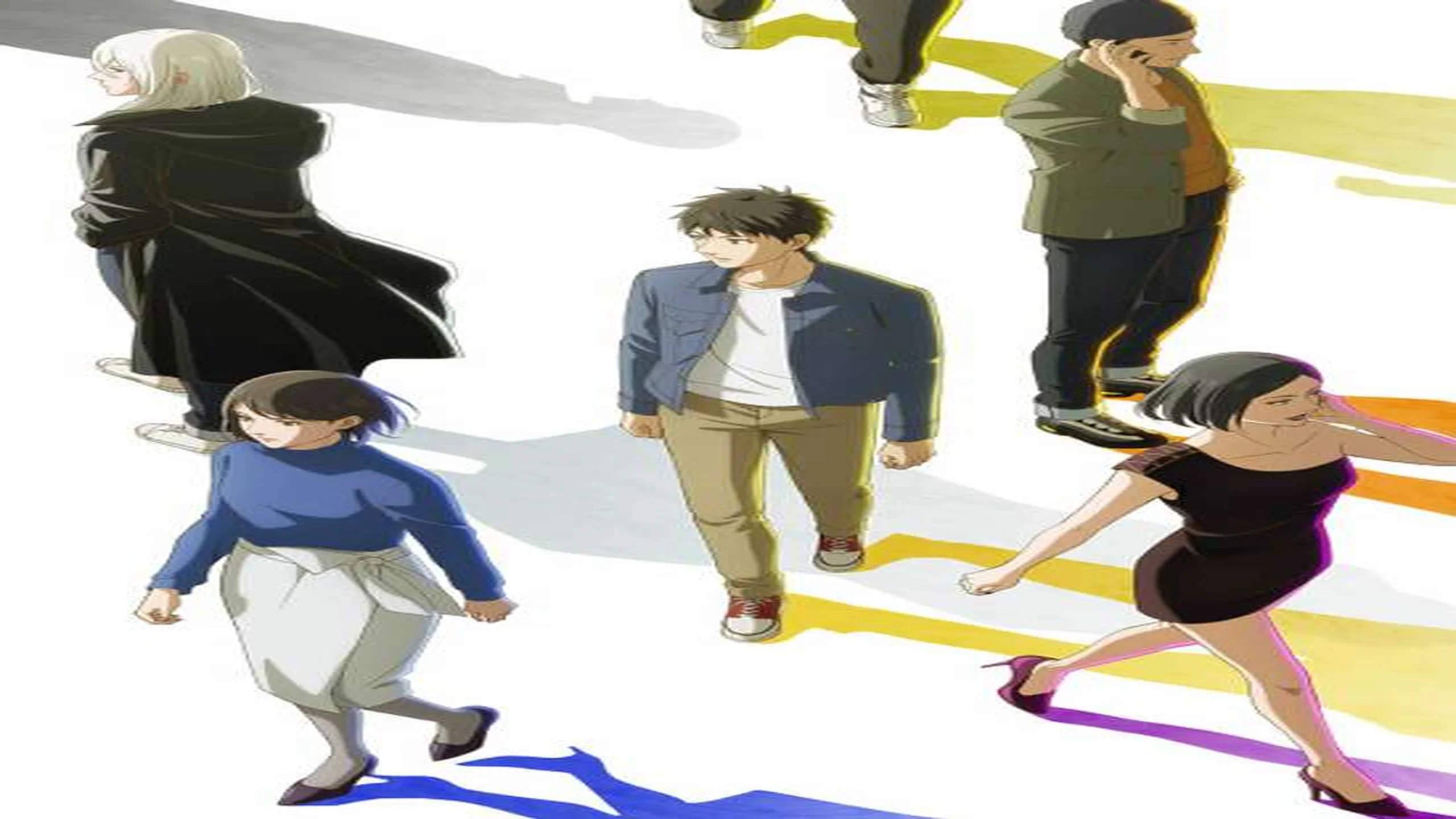
The long-awaited arrival of the Eren Southpaw Anime Series has sent seismic shocks through the anime community, delivering a cold, unvarnished look at the modern creative industry that few works dare to execute. Based on the acclaimed comic Hidari Kiki no Eren created by Kapyu and famously remade by artist Masaaki Nishi on Shonen Jump+, this adaptation moves away from typical power-fantasy narratives. Instead, it places viewers directly into the high-anxiety pressure cooker of corporate advertising agencies and the raw, dangerous world of high-end graffiti art.
The core thesis of the narrative hits with uncomfortable force: there is a vast difference between “being real” with your audience and simply calling a self-indulgent rant a motivational speech. For years, creative media has romanticized the concept of the struggling artist, framing verbal abuse and severe burnout as necessary rites of passage toward genius. The Eren Southpaw Anime Series deconstructs this myth with laser precision.
This Eren Southpaw Anime Series news update marks a major shift in modern seinen storytelling. By contrasting the soul-crushing corporate agency environment of protagonist Koichi Asakura with the wild, unbridled, and deeply isolated artistic genius of Eren Yamagishi, the project explores what happens when human beings reduce their entire self-worth to their output. The result is a tense, psychologically exhausting, and deeply rewarding production that forces viewers to re-examine their own relationship with work, talent, and creative validation.
—
In-Depth Analysis & Key Highlights
At its heart, the series operates on a dual-narrative structure that flips seamlessly between two drastically different worlds: the fluorescent-lit, caffeine-fueled office cubicles of Yomoda Advertising and the gritty underground art scene of New York City and Yokohama.
“`
[ Koichi Asakura ] <--- Commercial Pressure / Effort ---> [ Yomoda Advertising Agency ]
VS
[ Eren Yamagishi ] <--- Natural Genius / Isolation ---> [ Underground Fine Art World ]
“`
Story Beats and Character Dynamics
The narrative begins with Koichi Asakura, a mid-level designer at a top advertising firm who possesses boundless ambition but distinctly average artistic talent. Koichi works himself to the point of physical collapse, convincing himself that if he just sleeps less, works harder, and endures enough harsh criticism from his supervisors, he will eventually cross the threshold into genius.
Conversely, Eren Yamagishi—the titular “Southpaw”—is a left-handed artistic prodigy whose natural gifts border on supernatural. Yet, Eren experiences art not as a passion, but as a violent, irresistible compulsion that destroys her personal relationships and mental health.
“`
| Character | Creative Philosophy | Primary Internal Conflict |
|---|
| Koichi Asakura | Effort equals eventual genius | Imposter syndrome & envy |
|---|---|---|
| Eren Yamagishi | Creation as a painful compulsion | Total isolation from humanity |
| Lead Creative Dir. | Profitability over artistic soul | Cynicism masked as workplace wisdom |
“`
Without dropping major Eren Southpaw Anime Series spoilers, early episodes meticulously build up to the point where Koichi’s creative director delivers a viral monologue about the harsh realities of client work. What initial promotional material framed as an inspiring speech is revealed in context to be a toxic, ego-driven rant meant to suppress employee autonomy. The series continuously exposes how senior creatives use “real talk” as a shield to justify emotional abuse and poor management.
Key Highlights of the Adaptation:
- The Genius vs. Workhorse Contrast: The narrative continuously challenges the idea that hard work can bridge the gap to innate genius, presenting a bleak look at talent disparity.
- Corporate Realism: The show meticulously details agency life, from pitch presentations and client revisions to soul-crushing redlines and pitch stealing.
- Voice Acting Masterclass: The vocal performances capture the quiet desperation of workplace fatigue alongside explosive outbursts of creative frustration.
As highlighted in the Eren Southpaw Anime Series official trailer, the vocal cast delivers understated, grounded performances that avoid theatrical anime tropes. The dialogue feels organic, sharp, and uncomfortable, capturing the exact cadence of exhausted professionals arguing over font choices at three in the morning.
—
Visual Production & Animation Direction
The visual execution of the project requires a delicate balance. It must make mundane office environments look visually engaging while capturing the chaotic energy of spray-paint murals and fine art canvases. The animation studio achieves this through dynamic layouts, stark color scripting, and unconventional framing choices.
“`
visual language breakdown:
├── Yomoda Agency Scenes
│ ├── Sharp, rigid geometry
│ ├── Desaturated blues, grays, and fluorescent whites
│ └── Claustrophobic framing and split-screen layouts
└── Eren’s Artistic Sequence
├── Chaotic, fluid brushstrokes
├── High-contrast, oversaturated neon palettes
└── Unstable camera movements and kinetic kinetic lines
“`
The production team utilizes stark graphic design principles directly within the show’s compositing. During pitch sequences, the screen morphs into keyframe grids, color palettes, and typographic layouts, reflecting how Koichi views the world around him. When the perspective shifts to Eren, the animation abandons geometric structure entirely, utilizing heavy ink strokes, expressive key animation, and hyper-saturated splashes of spray paint.
Staff & Production Credits
- Director: Known for precise character blocking and realistic drama pacing.
- Art Director: Features background work that clearly distinguishes Japanese corporate concrete from international street-art graffiti.
- Sound Direction: A minimal, tension-filled score featuring low-frequency ambient synth hums during office scenes, contrasted with explosive jazz and punk-infused beats during creative painting sequences.
The sound direction deserves special praise. The quiet ticking of office clocks, the incessant clicking of computer mice, and the heavy hiss of a spray-can nozzle are amplified to create an auditory experience that mirror the characters’ internal stress levels.
—
Fan Reactions & Global Community Impact
The online reception to the adaptation has been intense and divided across Reddit, X (formerly Twitter), and international anime forums. A major point of debate centers on the show’s portrayal of workplace culture and creative burnout.
Community Sentiment Split:
- Industry Professionals: Artists, animators, graphic designers, and agency workers have rallied around the series, praising its uncompromising accuracy. Many forums feature users sharing personal stories of experiencing similar “motivational rants” from real-life creative directors.
- Casual Viewers: Some fans initially expected a standard battle-style drama where the underdog protagonist eventually overcomes the genius through sheer effort. Instead, they were met with a psychological study of limitations and corporate realities.
- Art Community: Discussion threads regularly break down the real-world design principles and graffiti techniques referenced in each episode, sparking debates about commercial art versus personal expression.
The discourse surrounding the Eren Southpaw Anime Series frequently returns to the central theme: the dangerous glorification of grind culture. Clips of senior agency executives tearing down junior designers have gone viral on social platforms, with half the audience celebrating the dialogue as “necessary hard truths” and the other half correctly identifying it as toxic management. This exact tension proves how effectively the show captures the modern creative struggle.
—
Franchise Lore & Where to Watch
Understanding the full scope of the story requires looking back at its unique publishing history. Originating as a web comic by Kapyu, the story gained massive popularity due to its sharp dialogue and authentic workplace observations. It was later picked up by Shonen Jump+, where Masaaki Nishi provided clean, highly detailed illustration work that elevated the original concepts into a mainstream hit.
“`
[ Original Web Comic (Kapyu) ]
│
▼
[ Shonen Jump+ Manga Remake (Masaaki Nishi) ]
│
▼
[ Live-Action Drama Adaptation (2019) ]
│
▼
[ Full Anime Series Adaptation (Current) ]
“`
Viewing Guide & Platform Availability
For fans looking to watch Eren Southpaw Anime Series online, the show is licensed across multiple global streaming services with localized subtitles and simuldub options.
| Platform | Regional Availability | Video Format | Dub Options |
|---|---|---|---|
| Crunchyroll | North America, Europe, Oceania | 1080p / 4K Stream | English, Japanese (Subbed) |
| Netflix | Select Asian Territories | 1080p | Japanese, Korean, Mandarin |
| Bilibili | East Asia | 1080p | Regional Subtitles |
The Eren Southpaw Anime Series release date schedule follows a standard single-cour broadcast model, with episodes dropping weekly. Canonical loyalty remains high, with the animation closely following the expanded Shonen Jump+ narrative arc while incorporating subtle visual nods to Kapyu’s original web manga paneling.
—
Final Verdict & Future Outlook
The Eren Southpaw Anime Series stands as a rare, uncompromising masterpiece of professional drama. It rejects easy answers, refuses to coddle its audience with cheap optimism, and unmasks the toxic mythologies that surround modern creative work. By showing that a manager’s explosive tirade is often just a glorified rant rather than constructive wisdom, the series offers a sobering look at how industries exploit human passion.
Looking ahead to future episodes and potential second-season orders, the series is well-positioned to remain one of the most critically discussed anime releases of the decade. It is an absolute must-watch for anyone who has ever pulled an all-nighter for a client, questioned their own artistic worth, or wondered if their best effort would ever be enough.
Overall Score: 9.2 / 10
- Narrative Depth: 9.5
- Animation & Design: 9.0
- Sound Design: 9.0
- Pacing & Direction: 9.3
