Executive Summary & Major Announcement
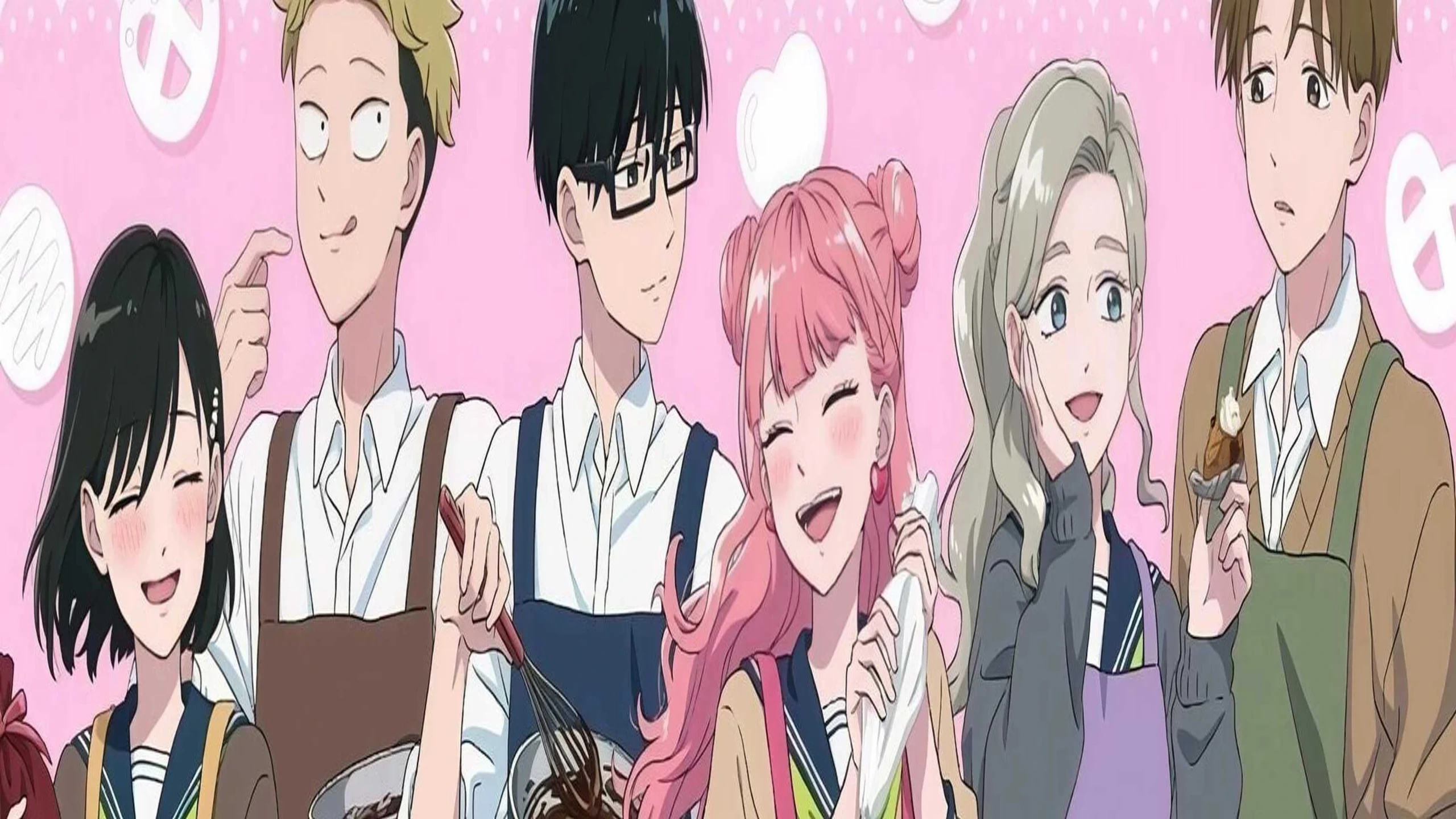
Mid-season milestones in romantic comedy anime often make or break an adaptation, and Episode 7 of You and I Are Polar Opposites Season 2 delivers one of the most emotionally grounded half-hours of the year. Adapting Kōcha Agasawa’s beloved Shonen Jump+ manga, the series has continuously defied routine genre tropes by putting honest communication front and center. Where standard high school romances drag out misunderstandings for dozens of chapters, this production thrives on character vulnerability, organic emotional progression, and the infectious, chaotic charm of its core ensemble.
The newest broadcast has ignited anime social hubs across the globe. As audiences track the latest Polar Opposites Season Seihantai milestones, Episode 7 shifts the spotlight across Suzuki and Tani’s steady relationship while expanding the emotional weight of their surrounding friend group. With production remaining rock-solid, this episode proves why the adaptation holds a top spot among modern rom-com television. Otaku Daily Updates brings you an extensive, scene-by-scene breakdown of this mid-season standout, dissecting production nuance, voice acting performances, and the broader narrative shifts defining this second cour.
—
In-Depth Analysis & Key Highlights
Episode 7 centers on the delicate balance between public persona and private vulnerability. Suzuki, whose bubbly “gal” exterior initially seemed like pure comedic fuel in earlier arcs, faces an internal crossroad regarding how much of her true, unvarnished self she can display when the entire peer group hangs out outside school walls. Meanwhile, Tani’s quiet, observant nature provides the grounding counterweight that makes their dynamic so compelling.
“`
Episode 7 Core Narrative Breakdown
- Phase 1: Group study session transitions into an impromptu weekend outing.
- Phase 2: Suzuki confronts her lingering habit of reading the room to her own detriment.
- Phase 3: Tani offers unfiltered reassurance, dissolving self-imposed social pressure.
- Phase 4: Subplot focus shifts to Taira and Azuma’s unspoken interpersonal friction.
“`
Navigating Social Anxiety and Authentic Connection
The narrative excels because it refuses to frame Suzuki’s energetic extroversion as entirely effortless. The writing exposes the emotional labor behind being the person who keeps social atmospheres light. For those tracking Polar Opposites Season Seihantai spoilers, this episode covers the pivotal study-session-turned-weekend-hangout arc where Suzuki overthinks her wardrobe, her jokes, and her responsiveness to Tani. Tani’s quiet reassurance—delivered without melodrama—reiterates why this romance works: he sees her effort, validates her boundaries, and removes the pressure for her to perform.
Ensemble Evolution: Taira and Azuma
While the titular duo remains the heart of the show, Episode 7 gives substantial narrative space to supporting players. The dynamic between the perpetually introspective Taira and the blunt, observant Azuma hits a fresh emotional register. Azuma’s direct communication style forces Taira out of his own overthinking spiral. This mirrors Suzuki and Tani’s dynamic while carving out its own distinct identity.
| Character | Primary Arc in Episode 7 | Key Emotional Breakthrough |
|---|---|---|
| Miyu Suzuki | Social exhaustion vs. romantic honesty | Acknowledges she doesn’t need to put on a constant show for Tani |
| Yusuke Tani | Active listening and emotional anchoring | Reassures Suzuki with direct, unpretentious clarity |
| Kenji Taira | Self-conscious overanalysis | Realizes his friends value his authentic presence over forced banter |
| Chika Azuma | Direct emotional transparency | Breaks down conversational walls with practical empathy |
Voice Acting Excellence
The vocal cast brings absolute precision to these interactions:
- Suzuki’s voice actress captures the rapid transition from manic social energy to soft, breathless vulnerability with genuine nuance.
- Tani’s understated vocal delivery avoids sounding detached or robotic; instead, he projects steady warmth through quiet inflections.
- The supporting cast delivers fast-paced overlapping dialogue during group scenes that feels remarkably natural, imitating real-life teen friend groups rather than rigid scripted exchanges.
—
Visual Production & Animation Direction
The animation direction for Episode 7 maintains the idiosyncratic charm that made the manga a visual sensation on Shonen Jump+. Rather than relying purely on hyper-polished, standard character designs, the team embraces Agasawa’s loose, expressive, and stylish linework.
“`
Key Visual Highlights:
- Dynamic transition from minimalist chibi reaction shots to detailed facial close-ups.
- Muted, warm pastel color palettes capturing golden-hour afternoon lighting.
- Thoughtful layout composition emphasizing physical distance between characters before emotional reconciliation.
“`
Layouts, Color Scripting, and Visual Comedy
The visual comedic timing in Episode 7 shines through snappy transitions. Suzuki’s iconic squiggly-lined panic faces and exaggerated physical comedy are animated with fluid, snappy keyframes that contrast against Tani’s minimalist, deadpan character design.
Background art plays an equally important role. Urban Tokyo side streets, cozy family restaurants, and sunlit train stations feature warm pastel washes that evoke nostalgia and comfort. During the critical one-on-one conversation between Suzuki and Tani on the pedestrian bridge, the lighting shifts to a soft sunset palette. The subtle bloom lighting and shifting shadows emphasize the intimacy of their conversation without overwhelming the understated dialogue.
Sound Direction and Background Score
The acoustic-driven soundtrack works wonders in this episode. Light guitar strums and playful piano motifs underscore the comedic banter, but the sound director knows when to pull the music back entirely. The bridge scene uses ambient city noise—distant train tracks, a gentle breeze, soft footsteps—to let the dialogue carry total emotional weight. This restraint gives the emotional beats room to breathe, elevating the production above standard seasonal rom-com fare.
—
Fan Reactions & Global Community Impact
Online reception for Episode 7 has been overwhelming. Immediately following the broadcast, discussion boards on Reddit, X (formerly Twitter), and MyAnimeList exploded with praise for the episode’s pacing and character maturity.
“`
Community Sentiment Breakdown:
- Suzuki’s relatable social fatigue: 96% positive reception across social feeds.
- Tani’s communication style: Celebrated as a golden standard for rom-com male leads.
- Production consistency: High marks for preserving manga visual gags and expressive body language.
“`
Fans on the r/anime weekly discussion thread praised the series for avoiding manufactured drama. Viewers highlighted how refreshing it is to see a high school couple that solves their anxieties through immediate, mature dialogue rather than multiple episodes of pouting and miscommunication. Fan artists flooded social feeds with redraws of Suzuki’s expressive panic poses alongside Tani’s tranquil expressions. The broader consensus highlights that the anime has successfully preserved the soul of the source material while using motion, color, and voice acting to enhance the comedic timing.
—
Franchise Lore & Where to Watch
For those looking to catch up or jump into the broadcast schedule, tracking where to watch Polar Opposites Season Seihantai online is straightforward. The series streams globally across major platforms, accompanied by weekly simulcasts.
Streaming Platforms & Distribution
- Crunchyroll: Global streaming home for subtitled and select dubbed versions across North America, Europe, Latin America, and Oceania.
- Ani-One Asia / YouTube (Select Regions): Regional broadcast rights for select Asian territories.
- Official Manga Platforms: Available in English via Viz Media and Shueisha’s Manga Plus service for fans seeking the printed canonical material.
“`
Key Series Information Table
| Detail | Information |
|---|---|
| Original Creator | Kōcha Agasawa (Serialized on Shonen Jump+) |
| Genre | Romantic Comedy, Slice of Life, School Life |
| Current Arc | Mid-Term Outings & Group Interpersonal Dynamics |
| Source Material | Manga (Complete / Ongoing in collected tankōbon volumes) |
“`
With the mid-season now in full swing, fans monitoring the Polar Opposites Season Seihantai release date schedule can expect new episodes to drop weekly on regular schedule slots. Make sure to check the Polar Opposites Season Seihantai official trailer on official distributor channels to preview the upcoming visual shifts planned for the second half of the cour. As fresh Polar Opposites Season Seihantai news update bulletins emerge regarding home video releases, soundtrack drops, and special event stages, the momentum behind this franchise continues to expand.
—
Final Verdict & Future Outlook
Episode 7 of You and I Are Polar Opposites Season 2 represents modern romantic comedy storytelling operating at its peak. By rejecting artificial melodrama in favor of sharp psychological accuracy, endearing character growth, and expressive animation, the production team has crafted a standout entry for the season.
Suzuki and Tani’s relationship continues to serve as an uplifting showcase of mutual respect and emotional balance, while the secondary cast develops enough depth to carry major story arcs on their own merits. As the season marches toward its upcoming school festival and exam arcs, expectations remain sky-high. If the remaining episodes maintain this caliber of visual creativity, rhythmic banter, and heartfelt writing, this season will cement itself as an instant classic within the modern slice-of-life canon.
